
Housing Society Redevelopment in Mira Road & Bhayandar

Learn how cooperative housing societies in Mira Road and Bhayandar can successfully redevelop aging buildings under MBMC regulations. This guide explains the redevelopment process, approvals, FSI benefits, timelines, and how a Project Management Consultant helps societies complete redevelopment safely and efficiently.

25+ Years
Average age of housing stock ripe for redevelopment in Mira-Bhayandar.
3× FSI
Potential development area unlocked under updated municipal regulations.
Metro Line 9
Major infrastructure corridor transforming property values in the region.

Why Redevelopment is Increasing in
Mira Road & Bhayandar

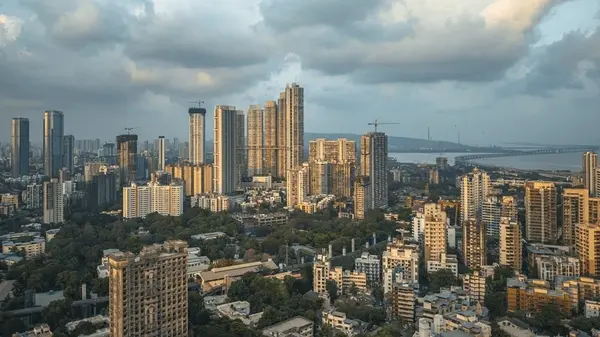
Mira Road and Bhayandar have experienced rapid residential growth over the past few decades. Many housing societies constructed during the 1980s and 1990s are now reaching the end of their structural lifecycle, making redevelopment a practical and often necessary solution. New infrastructure investments and updated development regulations are creating significant opportunities for societies to modernise their buildings and increase property value.

Aging Housing Societies

A large number of residential buildings constructed more than 25–30 years ago are experiencing structural wear, making redevelopment a necessary long-term solution.

Infrastructure Connectivity

Major infrastructure projects, including Mumbai Metro Line 9, are transforming the region into a highly accessible residential hub, driving property demand.

Higher Development Potential

Updated FSI policies under MBMC allow societies to utilise additional development potential, making redevelopment financially viable while enabling larger apartments.

Modern Living Standards

Redeveloped buildings offer modern amenities such as elevators, advanced fire safety systems, and improved layouts, significantly enhancing resident quality of life.

How Housing Society Redevelopment Works in Mira Road & Bhayandar

Housing society redevelopment in Mira Road and Bhayandar follows a structured, multi-stage process involving society-level approvals, technical planning, statutory MBMC regulatory clearances, and phased construction execution — each stage governed by specific legal and procedural frameworks.

  1. Step 01

    Feasibility Assessment

    The redevelopment journey begins with a technical feasibility study to evaluate land potential, FSI utilisation, structural condition of the building, and financial viability.

  2. Step 02

    Society General Body Resolution

    The society conducts a Special General Body Meeting (SGM) where members discuss redevelopment proposals and pass a resolution approving redevelopment.

  3. Step 03

    Appointment of PMC / Developer

    The society appoints a Project Management Consultant (PMC) or selects a developer through a transparent evaluation process.

  4. Step 04

    Design Planning and Approvals

    Architects prepare redevelopment plans and submit them to MBMC for building plan approval, RERA registration, and necessary clearances.

  5. Step 05

    Construction Phase

    Once approvals are granted and members shift to transit accommodation, construction of the new building begins under structured site supervision.

  6. Step 06

    Completion and Possession

    After construction is completed and Occupancy Certificate (OC) is obtained from MBMC, society members receive possession of their new, larger apartments.

Regulatory Framework

Key Approvals Required for Housing Society Redevelopment

Redevelopment projects require multiple regulatory approvals to ensure legal compliance, structural safety, and proper urban planning. Under the Mira Bhayandar Municipal Corporation (MBMC) jurisdiction, housing society redevelopment must pass through a structured approval process involving municipal authorities, state regulatory bodies, and statutory certifications at each project stage.

Approval 01

Society Redevelopment Resolution

The process begins with a Special General Body Meeting (SGM) where society members formally approve redevelopment and authorize the project to proceed.

Approval 02

Appointment of Architect and Consultants

The society appoints a registered architect and technical consultants who prepare redevelopment plans, feasibility studies, and statutory drawings.

Approval 03

Building Plan Approval (MBMC)

The redevelopment plans must be submitted to the Mira Bhayandar Municipal Corporation for building plan sanction under applicable development control regulations.

Approval 04

RERA Project Registration

Redevelopment projects that involve sale components or new flats must be registered under the Maharashtra Real Estate Regulatory Authority (RERA).

Approval 05

Commencement Certificate (CC)

Before construction begins, the municipal authority issues a Commencement Certificate confirming that the project has satisfied initial planning approvals.

Approval 06

Occupancy Certificate (OC)

After construction is completed, the municipal authority issues an Occupancy Certificate verifying that the building complies with approved plans and safety regulations.

RightWay PMC manages the entire approval lifecycle on behalf of your housing society — from SGM facilitation and architect coordination to MBMC submissions, RERA registration, and final OC procurement — ensuring every clearance is obtained without procedural delays across Mira Road & Bhayandar.

Redevelopment Advantages

Key Benefits of Housing Society Redevelopment

Redevelopment provides long-term, transformational value for housing societies — improving structural safety, significantly increasing carpet area, and delivering modern infrastructure and amenities that dramatically enhance the quality of residential living.

Spacious modern living room in a redeveloped housing society apartment in Mira Road
Benefit 01

Larger Carpet Area for Members

Redevelopment projects often allow existing society members to receive significantly larger apartments due to updated FSI regulations and optimised building planning — typically delivering 20–30% more usable carpet area than the original flat.
Updated FSI Regulations Optimised Building Planning More Usable Space
Modern residential building skyline in Mira Road and Bhayandar after redevelopment
Benefit 02

Modern Infrastructure and Amenities

New redevelopment projects include modern building infrastructure such as elevators, dedicated parking facilities, security systems, landscaped common spaces, and upgraded utilities — replacing decades-old systems with contemporary residential standards.
Elevators & Parking Modern Security Systems Upgraded Utilities
Modern earthquake-resistant building construction for housing society redevelopment in Mira Road
Benefit 03

Improved Structural Safety

Older buildings constructed decades ago often suffer from structural deterioration, spalling concrete, and compromised foundations. Redevelopment replaces ageing structures with modern earthquake-resistant construction meeting current IS codes and safety standards.
Earthquake-Resistant Design IS Code Compliance Modern Construction Standards
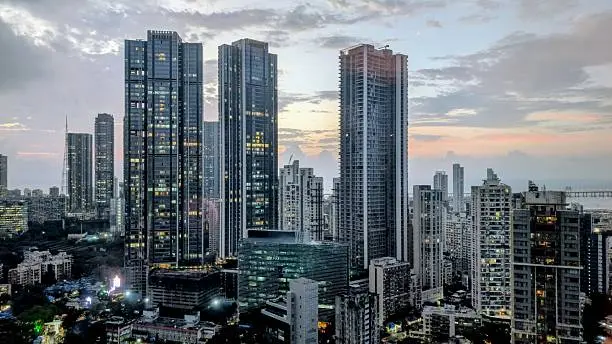
High-rise residential building representing increased property value after redevelopment in Bhayandar
Benefit 04

Higher Property Value

Redeveloped buildings typically see significant increases in property values due to improved construction quality, better amenities, legally clear title, and higher market demand — making redevelopment one of the most financially rewarding decisions a housing society can make.

Increased Market Demand Clear Legal Title Better Resale Prospects
Modern residential lifestyle environment in a redeveloped housing society in Mira Road and Bhayandar
Benefit 05

Better Lifestyle and Living Environment

Redevelopment creates a more comfortable and modern residential environment — with improved natural ventilation, better spatial layouts, upgraded facilities, and well-designed common areas that elevate the overall quality of daily living for every society member.

Better Ventilation & Layouts Upgraded Common Areas Modern Residential Standards
Advisory Expertise

Why Housing Societies in Mira Road & Bhayandar Choose RightWay PMC

Successful redevelopment projects require experienced technical and regulatory guidance. RightWay PMC provides independent advisory services exclusively to housing societies — ensuring full transparency, strict compliance with MBMC redevelopment regulations, and professional project management throughout every stage of the redevelopment lifecycle.

Advising housing societies across Mira Road & Bhayandar since 2012

Independent PMC Representation

No developer affiliations. RightWay PMC works exclusively for housing societies, ensuring unbiased advisory and complete protection of member interests at every stage.

Extensive Redevelopment Experience

Over 12 years guiding housing societies through complex redevelopment projects across Mira Road and Bhayandar under MBMC jurisdiction.

MBMC Regulatory Expertise

In-depth knowledge of Mira Bhayandar Municipal Corporation DCR norms and approval processes ensures smoother compliance and fewer procedural delays.

Transparent Developer Selection

Section 79A-compliant tender processes and financial capacity assessments help societies identify the most reliable, capable developer for their project.

End-to-End Project Monitoring

From feasibility assessment and SGM facilitation to construction monitoring and final possession handover — every project phase covered under one advisory mandate.

Society-First Advisory Approach

All project decisions are made in full consultation with society members, ensuring transparency and complete alignment with member interests throughout.

12+
Years Experience
Redevelopment advisory across Mira Road & Bhayandar
100%
Independent PMC
No developer affiliations — society interests only
MBMC
Jurisdiction Expertise
Deep knowledge of local DCR norms and approvals
360°
End-to-End Coverage
From feasibility to possession — full lifecycle oversight
Redevelopment Eligibility

Signs Your Housing Society Should Consider Redevelopment

Many housing societies in Mira Road and Bhayandar are reaching a stage where redevelopment becomes not just beneficial — but necessary. Aging building structures, rising infrastructure costs, and updated MBMC development regulations are creating a compelling case for housing societies to explore redevelopment as a long-term solution.
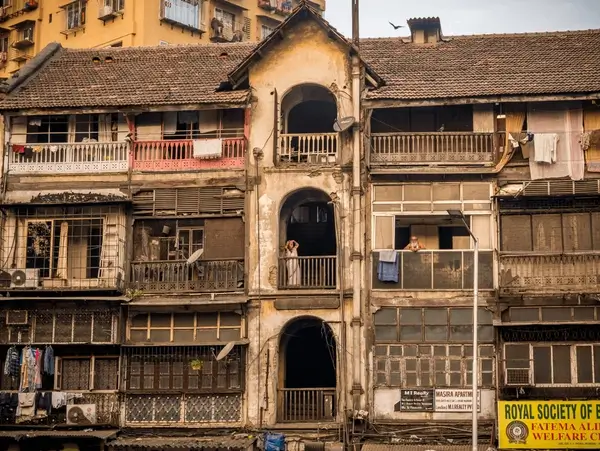
Old residential building in Mira Road showing structural aging and deterioration — a sign that housing society redevelopment may be needed

Buildings Older Than 25–30 Years

Buildings constructed more than 25 to 30 years ago often experience significant structural aging — including concrete spalling, foundation settlement, persistent leakage, and corroded reinforcement. In Mira Road and Bhayandar, many pre-2000 residential buildings have reached a stage where repair costs are escalating and structural safety can no longer be guaranteed without major redevelopment.

Structural Deterioration Concrete Spalling Pre-2000 Buildings
Housing society building maintenance work in Bhayandar — recurring repairs and rising maintenance costs signal redevelopment need

Frequent Structural Repairs and Maintenance Issues

When a housing society finds itself repeatedly spending on waterproofing, plastering, plumbing overhauls, and electrical rewiring — with no lasting resolution — it is a strong indicator that the structure has reached the end of its effective lifespan. Escalating maintenance levies with diminishing returns are a reliable financial signal that redevelopment is more cost-effective than continued repair.
Rising Maintenance Costs Recurring Repairs Waterproofing Failures
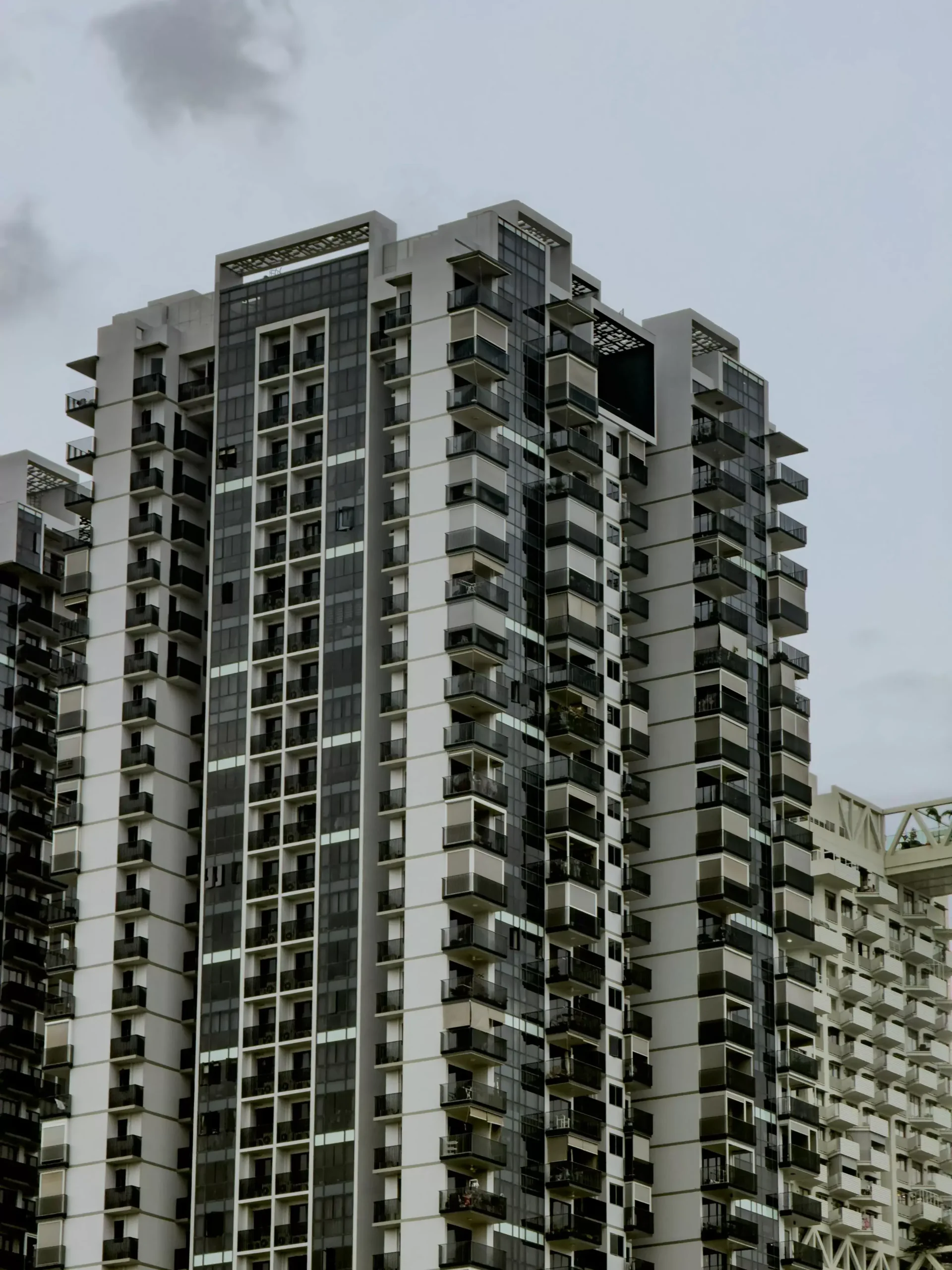
Modern residential apartment building in Mira Road showing upgraded amenities, elevators, and parking — what redevelopment delivers for housing societies

Limited Amenities and Outdated Infrastructure

Older housing societies often lack the infrastructure that modern residents expect — no elevators, insufficient or absent parking, absent fire safety systems, poor ventilation design, and non-compliant electrical supply. These deficiencies directly impact quality of life and suppress property values. Redevelopment allows societies to replace outdated infrastructure with contemporary, code-compliant facilities.
No Elevator or Parking Fire Safety Deficiencies Outdated Electrical
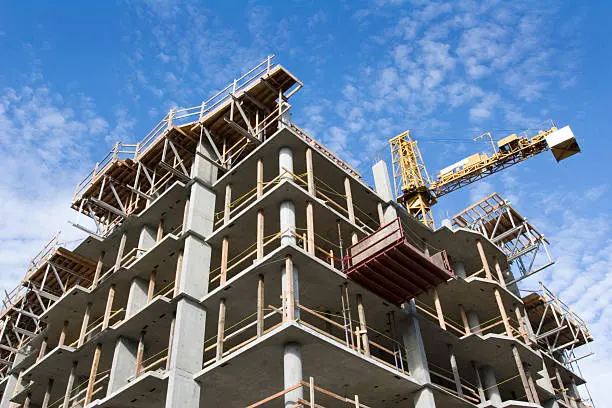
High-rise building construction in Mira Road Bhayandar under updated MBMC FSI regulations enabling housing society redevelopment

Redevelopment Opportunities Under Updated FSI Regulations

Updated Floor Space Index (FSI) norms under Mira Bhayandar Municipal Corporation (MBMC) have significantly increased the development potential of many residential plots. Societies that were previously constrained by low FSI limits can now unlock substantially more built-up area — enabling members to receive larger apartments, societies to generate corpus funds, and making developer-led or self-redevelopment financially viable.

Updated MBMC FSI Norms Larger Carpet Area Corpus Fund Generation
Redevelopment FAQ

Housing Society Redevelopment FAQs

Redevelopment involves regulatory approvals, structural assessments, society decisions, and long-term planning. These FAQs address the most common questions from housing societies in Mira Road and Bhayandar considering redevelopment under MBMC jurisdiction.

Most housing societies consider redevelopment when their building is 25 to 30 years old, though building age alone is not the deciding factor. Structural condition, available FSI under applicable development control regulations, and plot potential are equally important — and some buildings in poor condition may qualify earlier. A feasibility assessment by RightWay PMC will confirm eligibility based on your society's specific circumstances in Mira Road or Bhayandar.

25–30 Year Buildings Structural Condition FSI Availability

A typical housing society redevelopment project takes 3 to 5 years from the initial feasibility study to final possession handover. This covers 6–12 months for planning and SGM resolutions, 6–12 months for developer selection and agreement finalisation under Section 79A, and 2–3 years for construction and approval milestones. Timelines vary based on project scale, MBMC approval speed, and developer capability.

3–5 Year Timeline Section 79A Process MBMC Approvals

In the developer-led model — the most common approach — society members do not pay for construction. The developer bears the full cost of demolition and rebuilding in exchange for rights over additional units created through the higher FSI, while members receive a larger apartment, a corpus fund payment, and rent compensation during construction. RightWay PMC ensures all these financial commitments are properly documented and enforceable in the development agreement.

No Member Cost Corpus Fund Rent Compensation

A PMC (Project Management Consultant) represents the housing society's interests throughout the entire redevelopment process — acting as the society's independent technical, regulatory, and fiduciary advisor. The PMC conducts feasibility studies, manages the Section 79A-compliant developer tender, reviews the development agreement to protect member rights, coordinates MBMC submissions, and monitors construction quality and timelines. RightWay PMC operates with no developer affiliations, ensuring all advisory is aligned solely with society and member interests.

Independent Advisory Developer Selection Construction Monitoring

Redevelopment under MBMC jurisdiction requires five key approvals: a Society General Body Resolution via SGM, Building Plan Sanction from the Mira Bhayandar Municipal Corporation, RERA Registration if the project includes sale flats, a Commencement Certificate (CC) before construction begins, and an Occupancy Certificate (OC) upon completion. RightWay PMC coordinates and tracks every approval milestone on behalf of the society to avoid procedural delays.

MBMC Plan Sanction RERA Registration CC & OC

Eligibility depends on four factors: building age and structural condition, available FSI under current development control regulations, plot area and configuration, and the minimum consent threshold among members (typically 51% under Section 79A). RightWay PMC offers a free preliminary eligibility assessment — helping committees understand their society's redevelopment potential and approximate member benefits before committing to a full feasibility study.

Free Eligibility Check 51% Consent Threshold Plot & FSI Assessment
Scroll to Top